

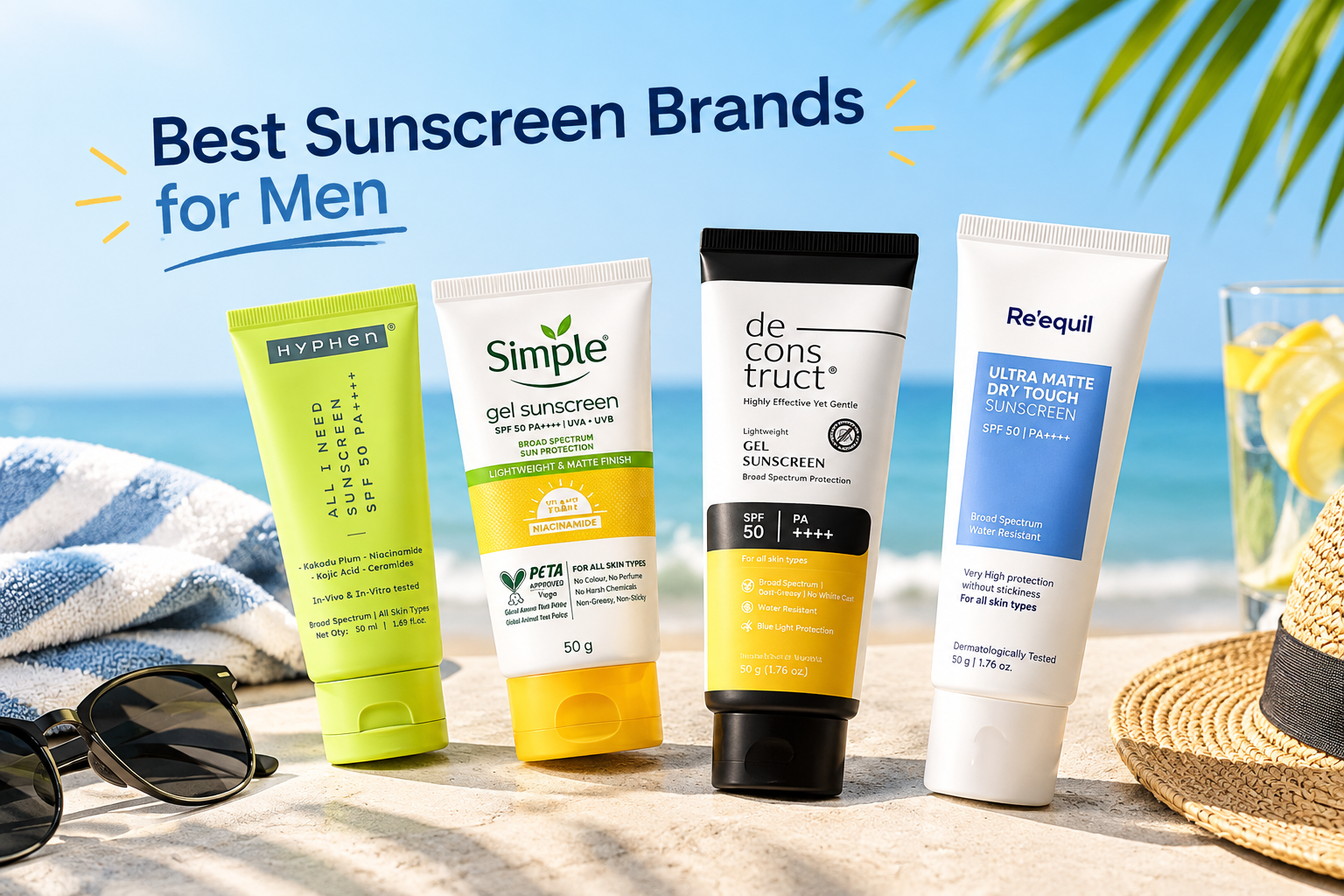
Excuse me, brother! Brother, SUNSCREEN. We know “Mard ko dard nahi hota,” but men can get tan.
Men don't need sunscreen because they're men! They need one that fits their skin, survives their commute, and doesn't turn their face into a shine reel by lunchtime. This list runs through the sunscreens worth knowing about in 2026, organised by what each one actually solves rather than which one has the loudest packaging.
Quick Comparison
Note: these are approximate prices and can vary by size, seller, and ongoing offers. Whether a formula counts as mineral, chemical, or hybrid depends on its specific UV filters. Check the ingredient list on the product page rather than assuming from the marketing copy.
The 17 Sunscreens Worth Knowing About
Minimalist SPF 50 PA++++
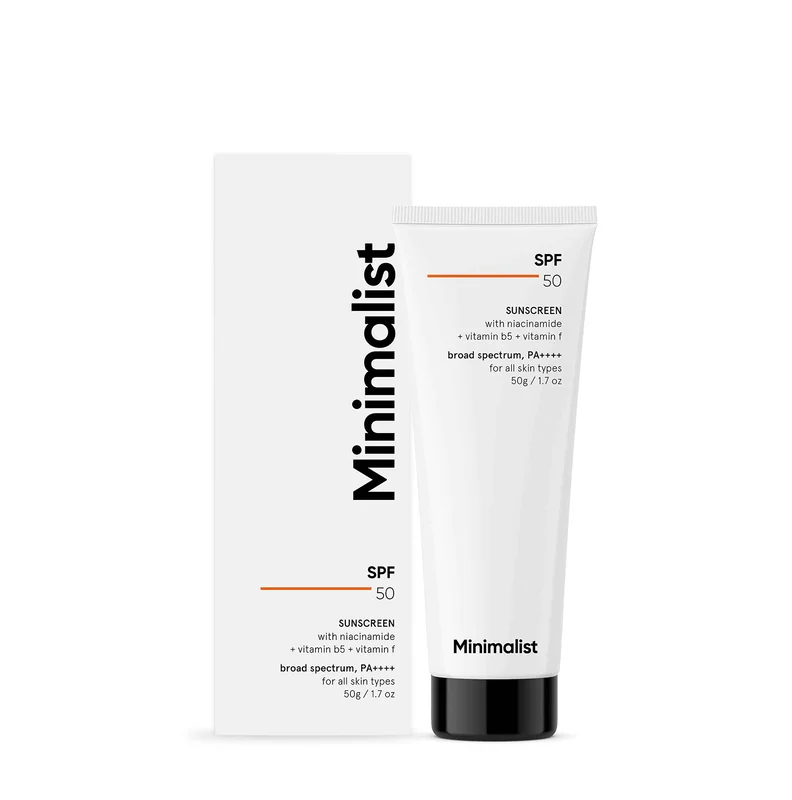
- Everyday pick with broad-spectrum protection
- Light on skin and reasonably priced
- Made for oily and combination skin
- Absorbs without leaving residue, so it layers easily
Dot & Key Watermelon Cooling SPF 50+ PA++++
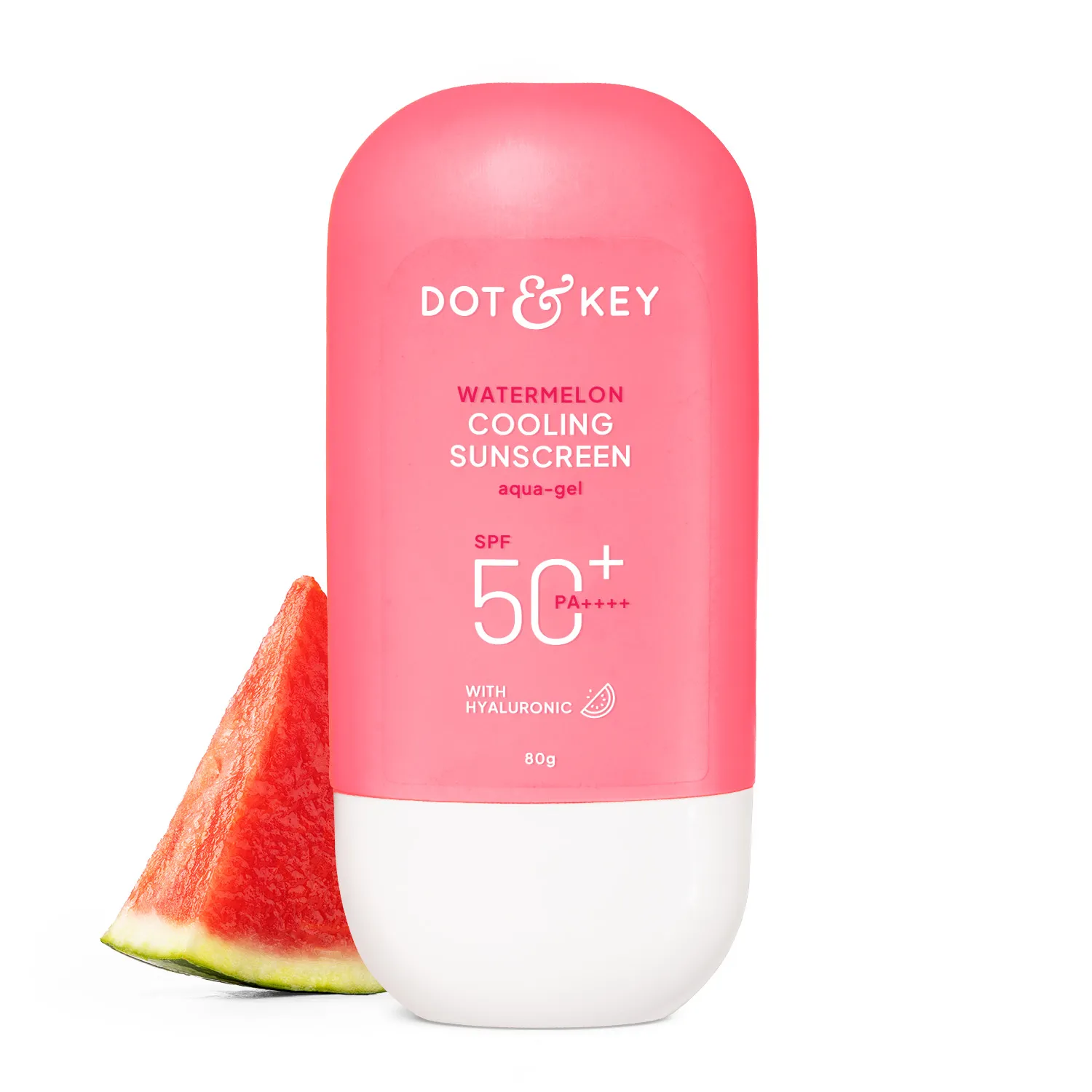
- Cooling, aqua-gel feel with hyaluronic acid
- Good for oily and combination skin that still needs hydration
- No white cast
- Watermelon extract adds freshness, not extra sun protection
Simple Mattifying UV Fluid SPF 50 PA++++
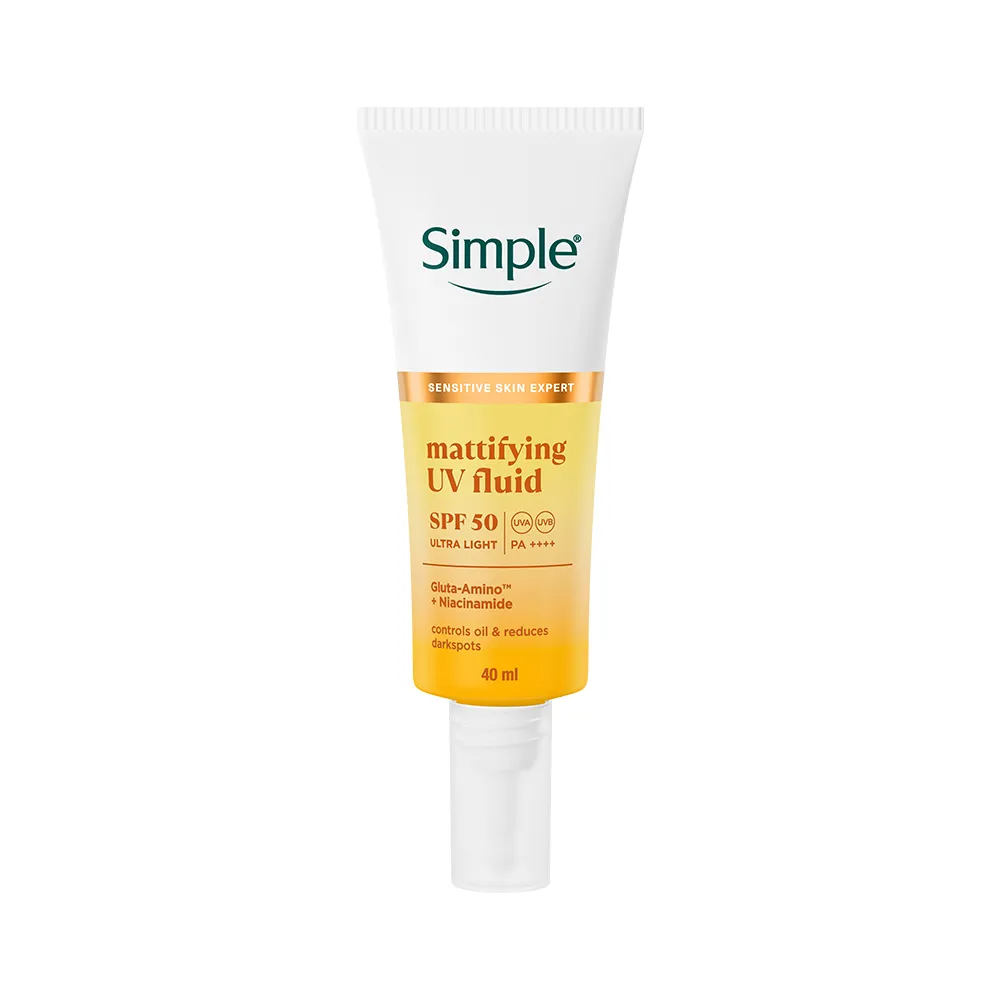
- Made for oily, sensitive skin
- Niacinamide and silica help control shine
- Fragrance-free, non-comedogenic, no white cast
- A safe pick if your skin reacts easily
Plum 2% Niacinamide & Rice Water SPF 50 PA+++
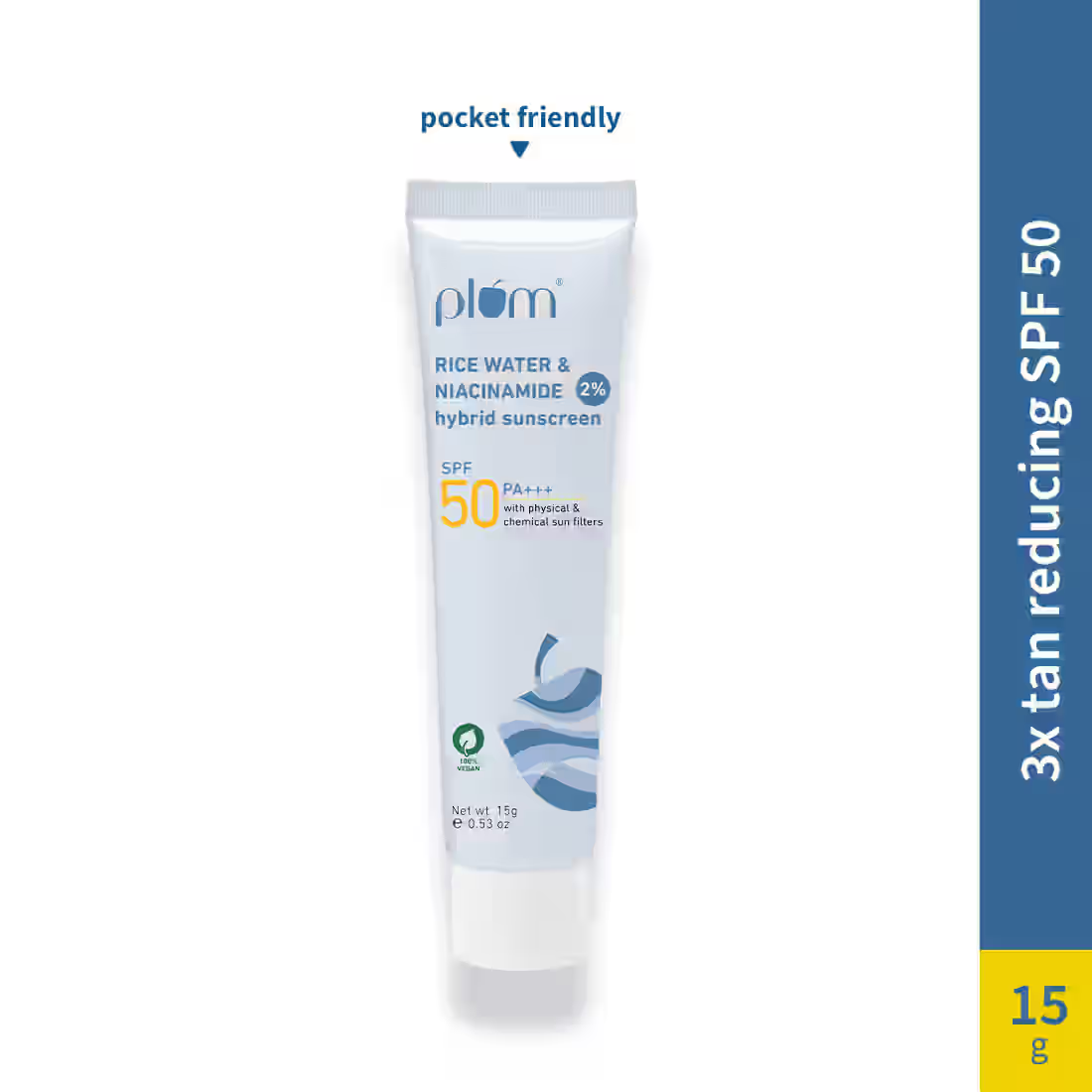
- Hybrid formula (physical + chemical filters)
- Niacinamide and rice water for brightening and hydration
- Up to 4 hours of water resistance
The Derma Co 1% Hyaluronic Aqua Gel SPF 50 PA++++
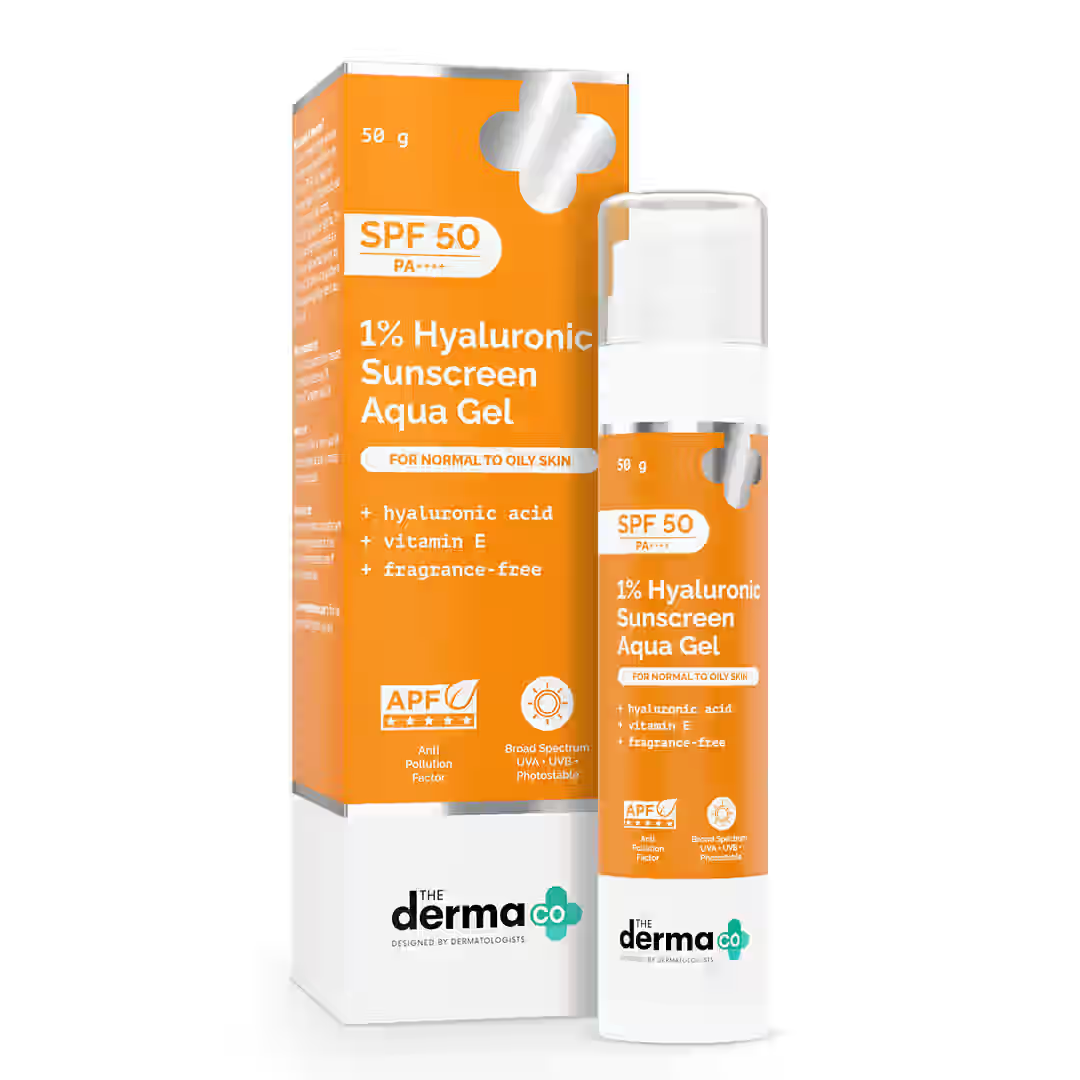
- Sunscreen and hydration in one
- Non-greasy, fast-absorbing gel
- Claims blue light protection too
- Helps you skip a moisturizer step
Deconstruct Gel Sunscreen SPF 50 PA++++
- Made for oily and acne-prone skin
- New-generation filters that stay stable through the day
- Airy texture, great if you hate heavy sunscreen
Re'equil Ultra Matte Dry Touch SPF 50 PA++++
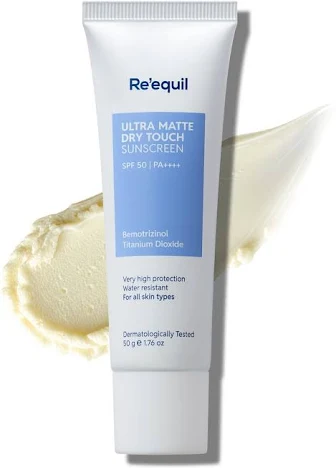
- Matte, dry finish for oily skin
- Water and sweat-resistant, no white cast
- Non-comedogenic, so it's good if you break out
Dr. Sheth's Ceramide & Vitamin C SPF 50+ PA++++
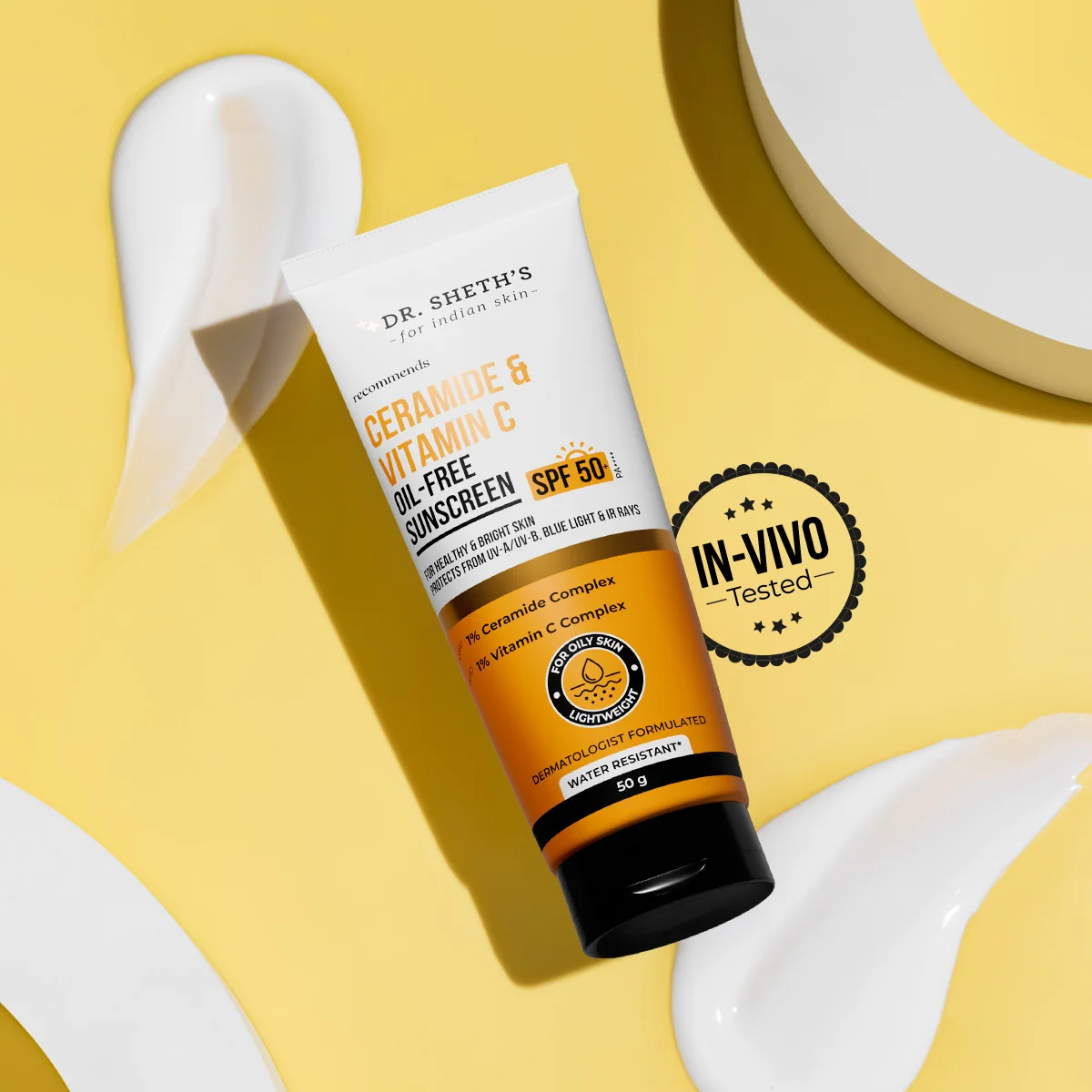
- Ceramides support the skin barrier; Vitamin C brightens
- Designed for Indian skin
- Best for dry, sensitive, and combination skin, not oil control
Pilgrim 5% Vitamin C Brightening SPF 50+ PA++++
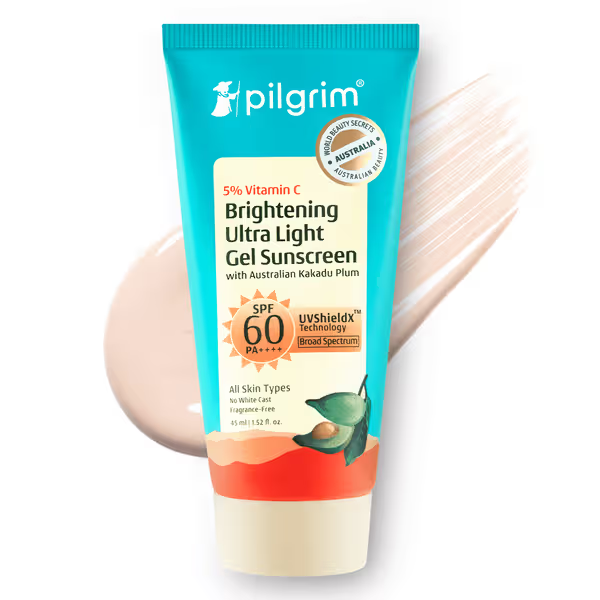
- Targets dullness and uneven skin tone
- Has niacinamide and glutathione
- Serum-like fluid that sits well under makeup
- Brand says it stays stable and doesn't darken on skin
Be Bodywise Ultra Light SPF 50+ PA++++
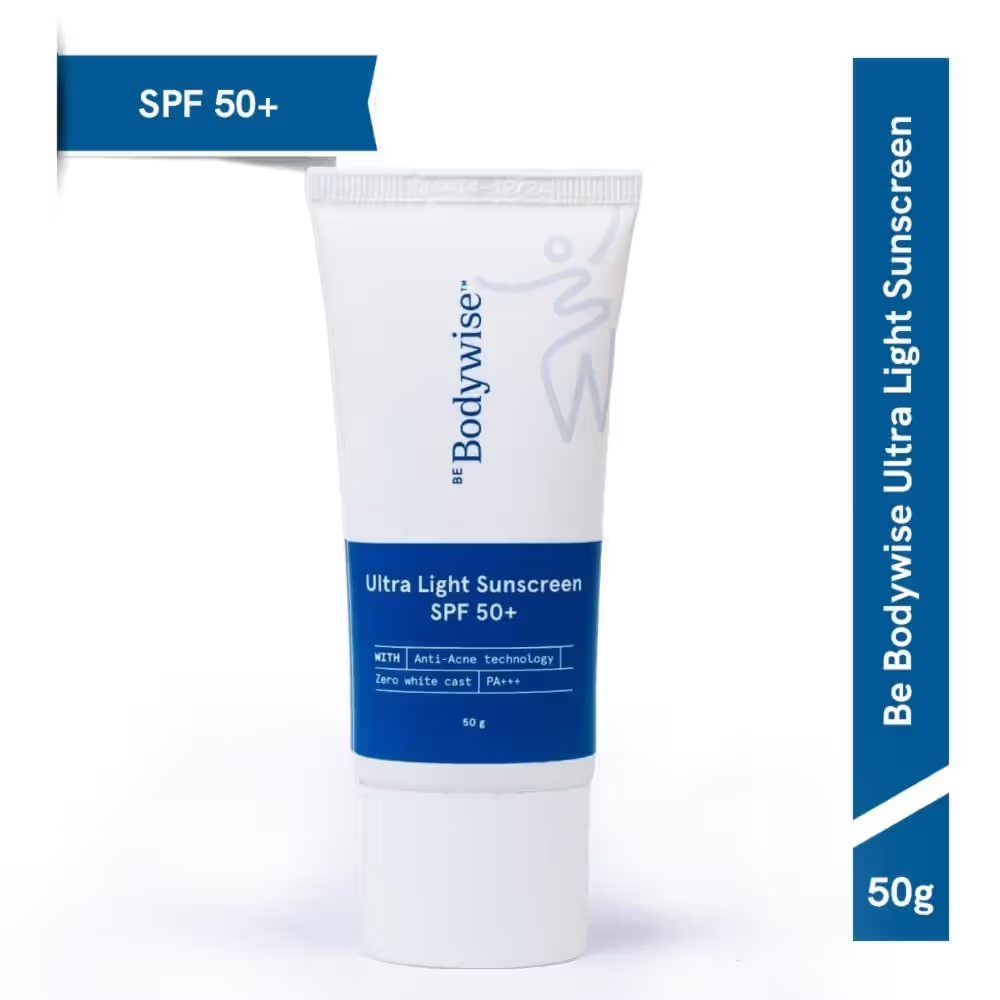
- Made for acne-prone and oily skin
- Water and sweat resistance up to 80 minutes
- Blends in fast without feeling greasy
Foxtale Glow SPF 50 PA++++
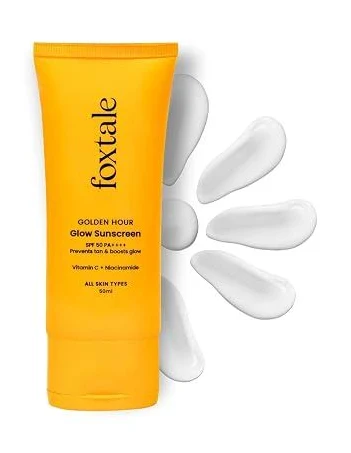
- Dewy, glowing finish instead of matte
- Has Vitamin C and niacinamide
- Lightweight for daily use
La Shield Pollution Protect Mineral Gel
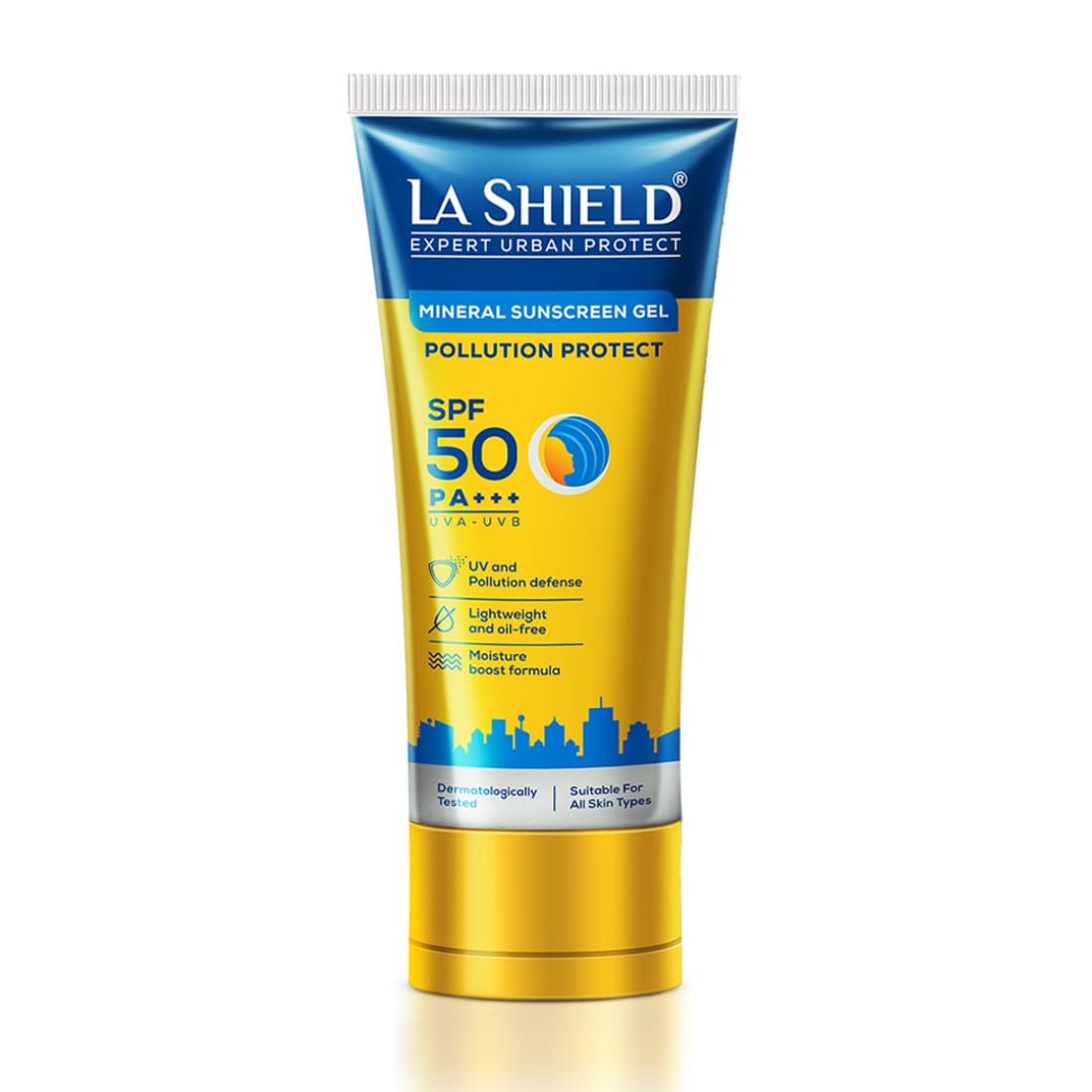
- True mineral-filter gel
- Good for sensitive skin that can't handle chemical filters
- SPF in the 40s, PA+++, paraben-free
- Check the exact SPF on the pack
Fixderma Shadow SPF 50+
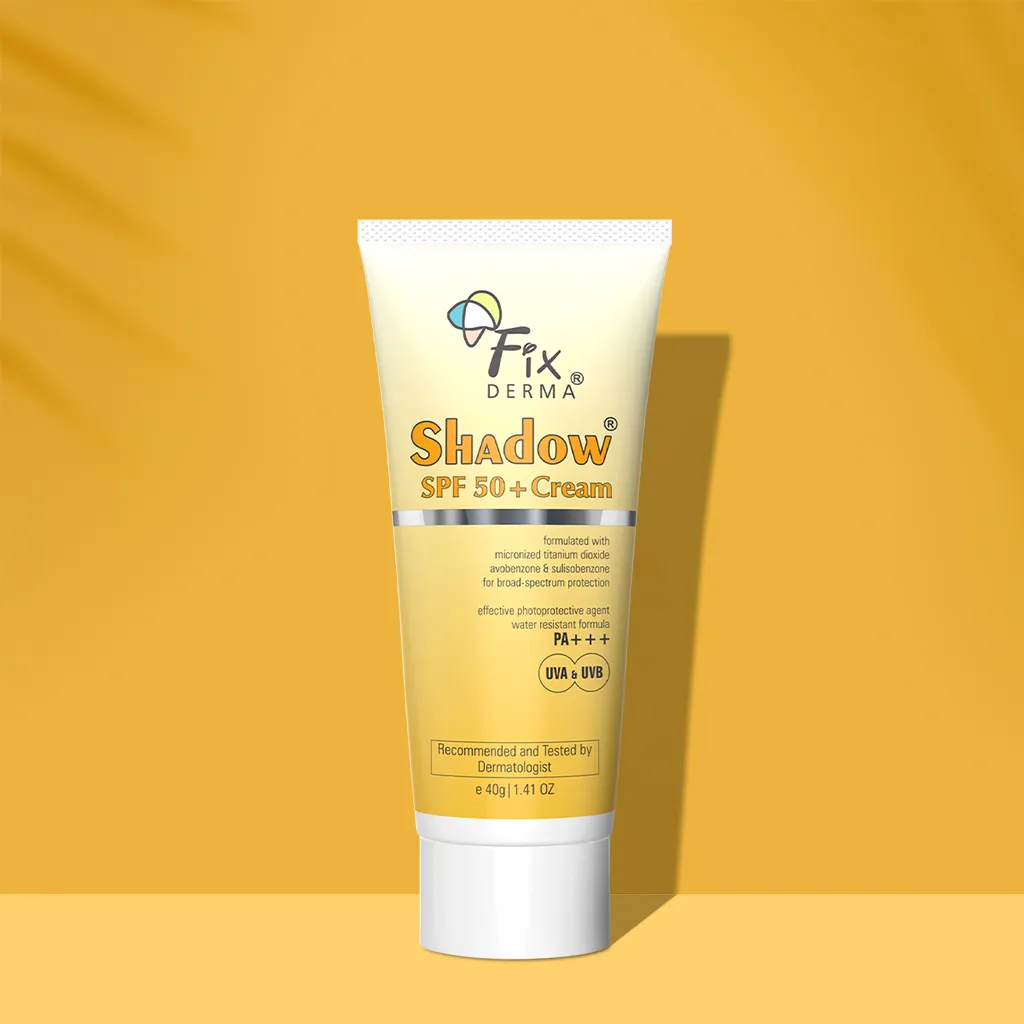
- Gel for oily skin, cream for dry skin
- Broad-spectrum and water-resistant
- Cheaper than most on this list
- A good first daily sunscreen if budget matters
Episoft AC SPF 50+ (Glenmark)
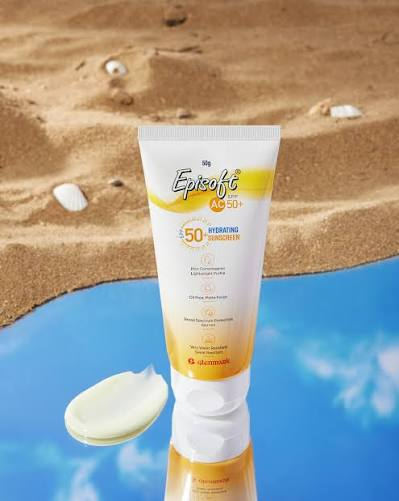
- Moisturizer and sunscreen in one
- For acne-prone skin that still needs hydration
- Non-comedogenic and lightweight
- Good if you prefer a pharmacy brand
Aqualogica Radiance+ Dewy SPF 50+ PA+++
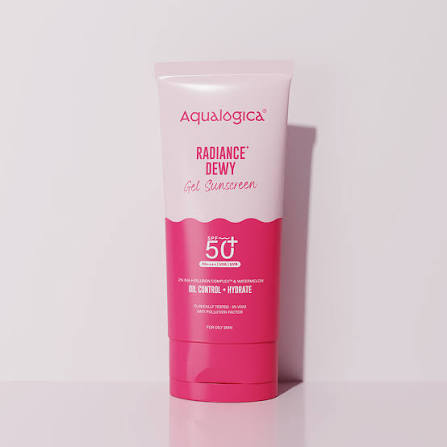
- Dewy finish with niacinamide
- Best for dry or normal skin
- No white cast, light for daily use
Hyphen All I Need SPF 50 PA++++
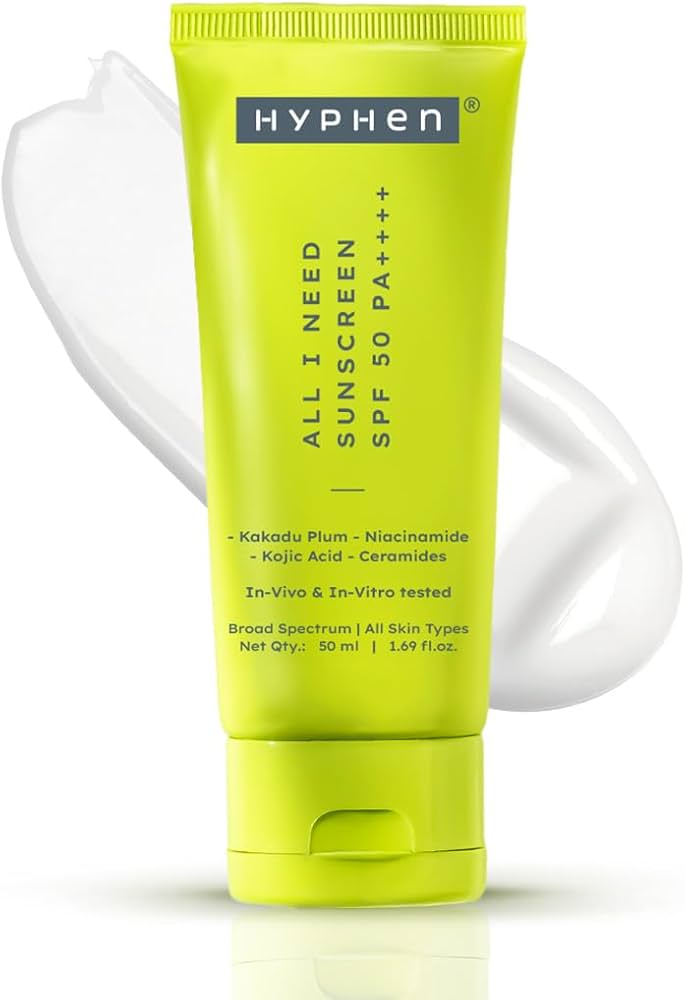
- Lightweight, broad-spectrum, and hydrating
- Newer brand
- Closer to a chemical formula than a mineral, so look elsewhere if you want mineral-only
Cetaphil Sun SPF 50+ Light Gel
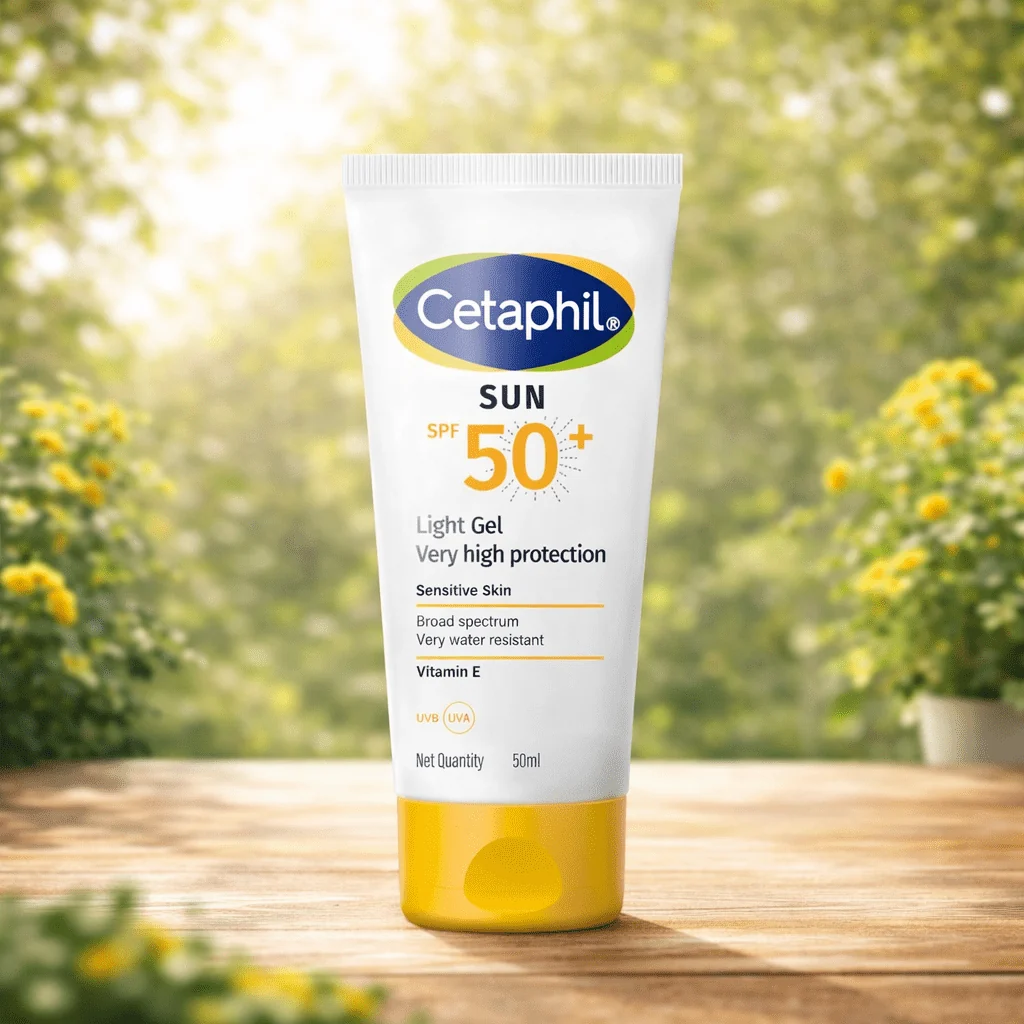
- Dermatologist-recommended
- Non-comedogenic and water-resistant
- Suits oily, dry, and sensitive skin
- Not the cheapest, but a safe, trusted choice
What Should You Look for in a Sunscreen?
SPF (Sun Protection Factor): SPF shows how well a sunscreen blocks UVB rays, which cause sunburn. SPF 30 blocks about 97% and SPF 50 blocks about 98%, so the jump is small. You don't need SPF 100 for daily use.
Broad-Spectrum: Broad-spectrum means the sunscreen also protects you from UVA rays. These rays go deeper into the skin and cause early ageing.
PA Rating (PA+ to PA++++): PA rating tells you how strong the UVA protection is. The more plus signs, the better the protection.
Mineral Sunscreen: Mineral sunscreens use zinc oxide or titanium dioxide and sit on top of the skin like a shield. They are often gentler on sensitive skin, but they can leave a white cast.
Chemical Sunscreen: Chemical sunscreens use filters like avobenzone that absorb UV rays. They are usually lighter and feel nicer on the skin.
Hybrid Sunscreen: Hybrid sunscreens mix both mineral and chemical filters. Many sunscreens on this list are hybrids.
Which One Is Safer: Neither type is safer than the other, as both are tested and approved. Choose the one that suits your skin and the texture you like.
How to Choose the Best Sunscreen for Men
- If you have oily or acne-prone skin, look for lightweight gels that don't feel heavy by afternoon; Deconstruct, The Derma Co, Be Bodywise, and Episoft all lean this way.
- If you have dry skin, a hydrating, dewy formulation like Aqualogica Radiance+ or Dr. Sheth's will feel more comfortable than a mattifying one.
- If you have sensitive skin, choose simpler formulations or mineral options. Simple, La Shield, or Cetaphil. Tend to cause fewer reactions.
- If you hate white cast, check for "no white cast" claims specifically rather than assuming any sunscreen will disappear on your tone.
- If you're sweating or outdoors, water/sweat resistance and a habit of reapplying matter more than the SPF number on the tube.
- If you're mostly indoors, daily broad-spectrum sunscreen can still help, since UVA passes through ordinary window glass, though how much you need it depends on how close to windows you actually sit.
- The best sunscreen is the one you'll actually apply in the right amount, every day, not the one with the highest number on the label.
How Much Sunscreen Should You Apply?
Most men use far too little. A rough guide for the face and neck is about two finger-lengths of product, though this varies by product thickness. For the body, a shot-glass amount is commonly cited for full coverage, adjusted for your size. Reapply roughly every two hours outdoors, and sooner after heavy sweating or swimming. Remember that "water-resistant" on a label means the product holds up for a stated time, not that it's waterproof indefinitely.
Daily Routine:
If sunscreen is the last step you're missing, pair it with Best Perfume for Men or Best Body Wash for Men to round out a daily routine.
Shopping for someone else? The Best Perfumes for Women and Best Body Wash for Women will be helpful.
The Takeaway
The best sunscreen for men in 2026 isn't the one with the highest SPF or the fanciest packaging; it's the one that matches your skin type, doesn't feel unbearable by midday, and that you'll actually reach for every single morning. With this many solid options across budgets and skin types, that shouldn't take much compromise.
NOTE: Before you check out, it's also worth seeing if cashback is available. Hyyzo offers cashback on platforms like Flipkart, Myntra, AJIO, Dot & Key, Nykaa, and Plum, so an eligible sunscreen order might get you a bit of value back.
FAQs
Q1. Do I need sunscreen indoors?
Depends on your exposure. UVA can pass through window glass, so if you sit near windows through the day, daily sunscreen still helps.
Q2. Is higher SPF always better?
Not meaningfully. SPF 50 blocks about 98% of UVB versus roughly 97% at SPF 30, a small gain, not double the protection.
Q3. Which is better: mineral or chemical sunscreen?
Neither is universally "better." Mineral suits sensitive skin well but can leave more white cast; chemical and hybrid formulas are often lighter but may irritate very reactive skin.
Q4. Does sunscreen expire?
Yes. Check the expiry date on the packaging, and avoid using products that have been stored somewhere hot, since heat can affect stability.
Q5. How much sunscreen should I actually apply?
More than most people use. Roughly two finger-lengths for the face and neck is a helpful starting point, applied generously rather than dabbed on.