

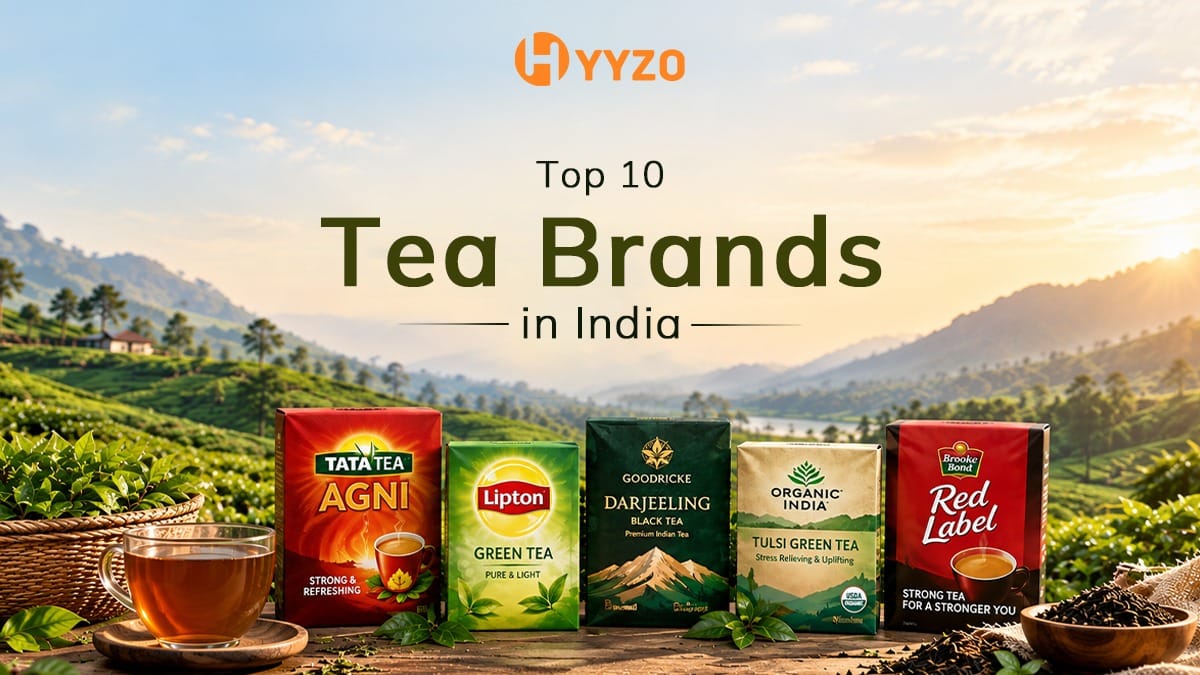
Tea is the beginning of every Indian's day, Tea is every break we take, Tea is the medicine of everything and anything.
However, to truly elevate your daily ritual, a great cup requires more than just boiling water and leaves—it requires knowing what makes a brew exceptional and where those leaves originate.
Whether you crave a strong, milk-rich kadak chai to kickstart your morning or a delicate whole-leaf brew to unwind, here is everything you need to know about buying the finest tea, where the best leaves grow, and the top 10 tea brands in India that rule the cups and hearts of millions.
Where Does India's Best Tea Come From?
- Assam (Lowland Valley): Famous for bold, rich, and malty black teas. The go-to choice for strong daily milk chai.
- Darjeeling (Himalayan Slopes): Known as the "Champagne of Teas" for its delicate, golden, and floral cup with signature muscatel (grape-like) notes. Best enjoyed plain.
- Nilgiri (Southern Blue Mountains): Produces smooth, bright, and naturally citrusy tea. Highly versatile—great for iced tea or light daily brews.
- Kangra & Sikkim (Himalayan Gems): Lesser-known high-altitude regions producing light, sweet, and aromatic orthodox teas.
7 Essential Pointers for Buying the Best Tea
1. Match the Form to Your Brewing Method
- CTC (Crush, Tear, Curl): Small, hard granules designed to brew fast and release intense strength, deep color, and bitterness. This is the ideal pick if you make traditional milk chai or kadak tea.
- Orthodox / Loose Whole-Leaf: Whole or large broken leaves preserved during processing. They are meant to be steeped in hot water and drunk without milk to taste delicate, complex flavors.
2. Inspect the Leaf Size & Appearance
When buying loose leaf tea, larger, intact leaves generally signify higher quality. Look for clean leaves without excessive dust, twigs, or debris. Gold or silver tips (bud leaves) on black teas indicate a premium, smoother blend.
3. Trust Your Nose (Aroma)
High-quality tea should smell vibrant, fresh, and distinct even before brewing—whether it’s malty, floral, earthy, or fruity. If the unbrewed leaves smell flat, paper-like, or stale, the brewed tea will taste flat too.
4. Pay Attention to "Flush" (Harvest Season)
For premium black and green teas (especially Darjeeling), the harvest timing drastically changes the taste:
- First Flush (Spring / March–April): Light-bodied, highly floral, crisp, and slightly astringent.
- Second Flush (Summer / May–June): Richer, amber-colored, with a sweeter, fuller "muscatel" (grape-like) flavor.
- Autumnal Flush (October–November): Darker, rounder, and bolder in body.
5. Check Sourcing Transparency & Certifications
Look for single-estate or single-origin labels rather than vague "blended" tags if you want authentic regional flavors. For health-focused tea, ensure it carries recognized organic seals (like India Organic / NPOP or USDA Organic) to confirm it's free of pesticide residue.
6. Avoid Artificial Fragrances
Check the ingredients list on flavored green or herbal teas. High-quality blends use natural spices, dried real flowers, or essential oils rather than synthetic "nature-identical flavoring agents".
7. Look for Vacuum or Foil-Sealed Packaging
Tea leaves spoil quickly when exposed to air, light, heat, and moisture. Choose brands that package their teas in opaque, air-tight foil pouches or tins rather than clear plastic or cheap cardboard boxes.
Top 10 Tea Brands in India
1. Tata Tea
As India’s undisputed market titan under Tata Consumer Products, Tata Tea is practically a household institution. Its flagship Tata Tea Gold uniquely blends strong Assam CTC granules with 15% long orthodox leaves, offering both intense strength and an inviting aroma for daily milk chai.
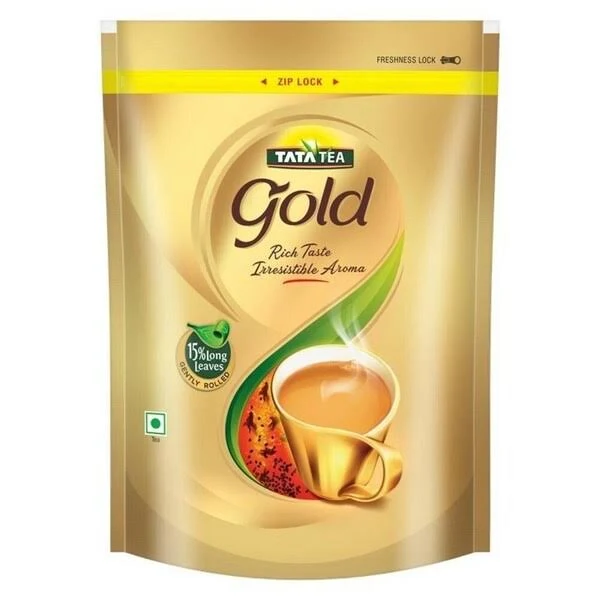
It offers incredible everyday value, with popular packs like Tata Tea Gold priced around ₹250 to ₹275 for 500g.
2. Brooke Bond Red Label
Owned by Hindustan Unilever, Red Label has been comforting Indian households for generations. Famous for its signature red liquor, its Natural Care variant introduced a blend infused with five Ayurvedic ingredients—ginger, tulsi, cardamom, mulethi, and ashwagandha—making it a go-to for immunity-boosting chai.
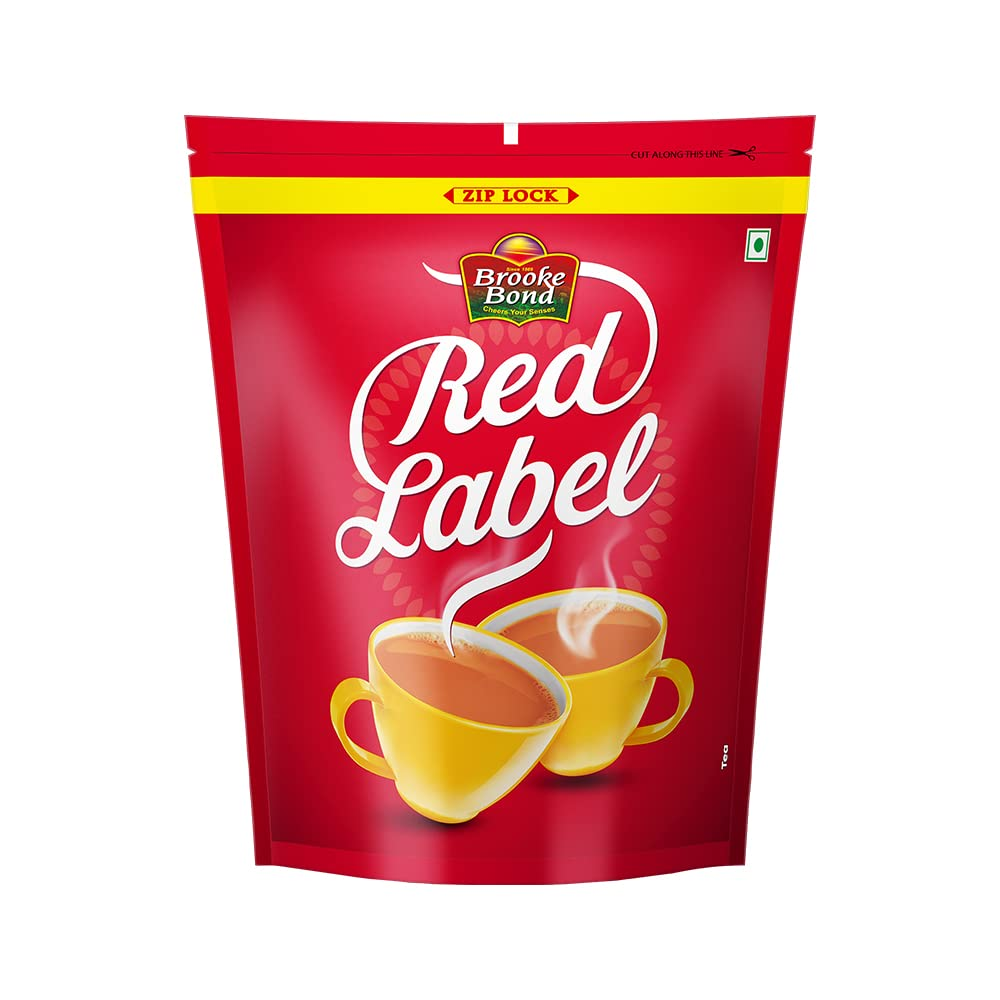
Regular Red Label starts around ₹280 to ₹300 for 500g, while the spice-infused Natural Care variant sits slightly higher at ₹320 to ₹350 for a 500g pack.
3. Wagh Bakri
Originating in Gujarat and beloved nationwide, Wagh Bakri stands for trust, togetherness, and exceptionally bold tea. Designed for those who love heavy, boiled kadak chai, its premium leaves deliver a deep, malty flavor that easily cuts through milk and sugar.

A standard 500g pack of Wagh Bakri Premium Leaf Tea costs approximately ₹260 to ₹320, making it a highly cost-effective pick for high-consumption households.
4. Taj Mahal
"Wah Taj!"—a phrase synonymous with premium Indian tea. Taj Mahal caters to the discerning tea drinker who values aroma as much as strength. Sourced from high-grade estates, its tea leaves create a golden, flavorful liquor suited for both light milk chai and smooth black brews.

Positions itself as a slightly more premium daily blend, retailing at around ₹320 to ₹350 for a 500g box.
5. Society Tea
A staple across Western India, Society Tea is renowned for its fine dust and granular CTC formulations. Because of its micro-granule size, it extracts rapidly, giving a punchy strength and rich color in seconds—making it a favorite for fast-paced households and roadside tea stalls alike.
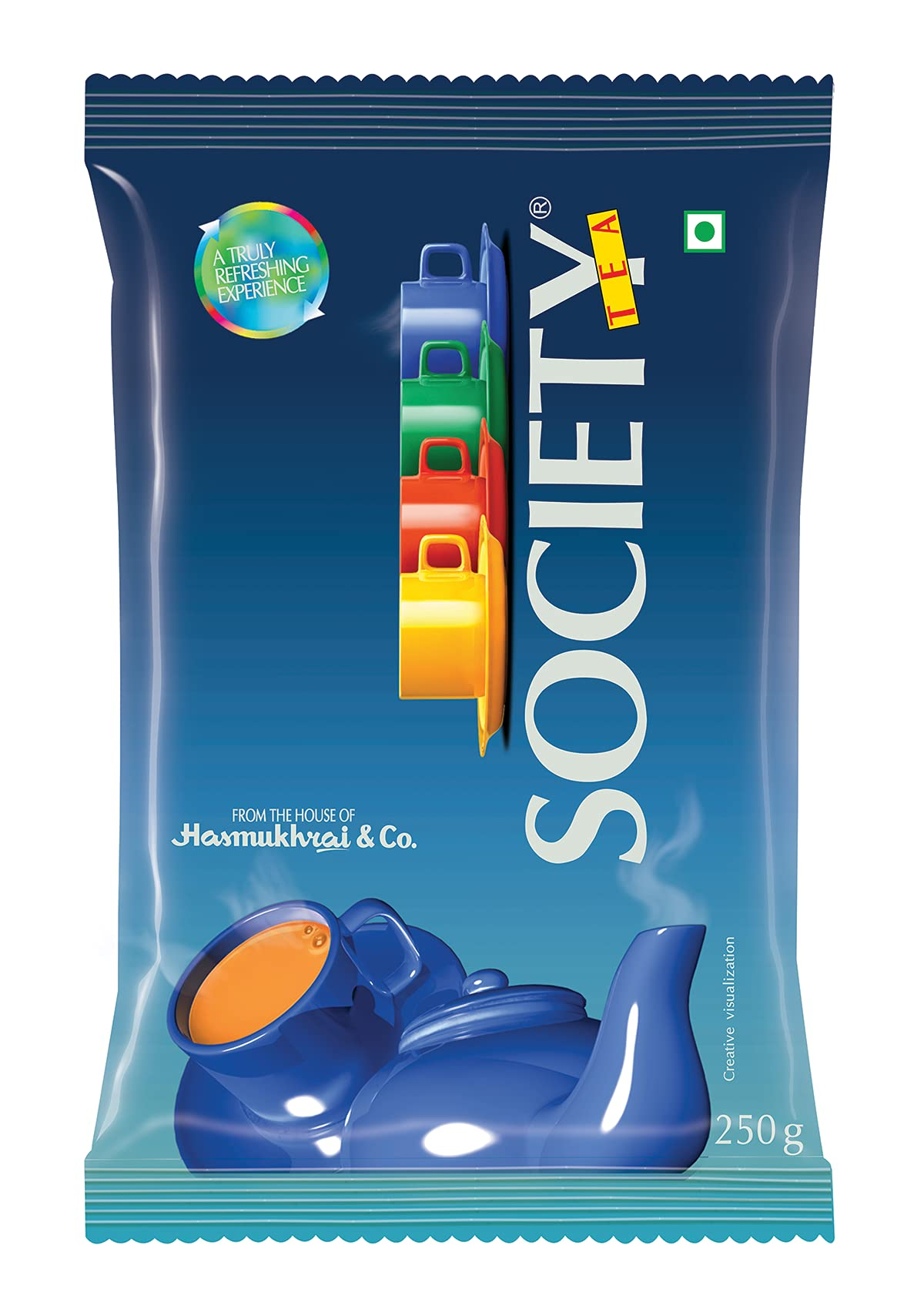
Highly affordable, a 500g pouch generally costs between ₹250 and ₹280.
6. Tetley
For those seeking a healthier daily cup, Tetley (also part of Tata Consumer Products) dominates the green tea space. Packed with antioxidants and often fortified with Vitamin C, its flavor-infused tea bags (like Lemon & Honey) make fitness-oriented tea drinking simple and accessible.
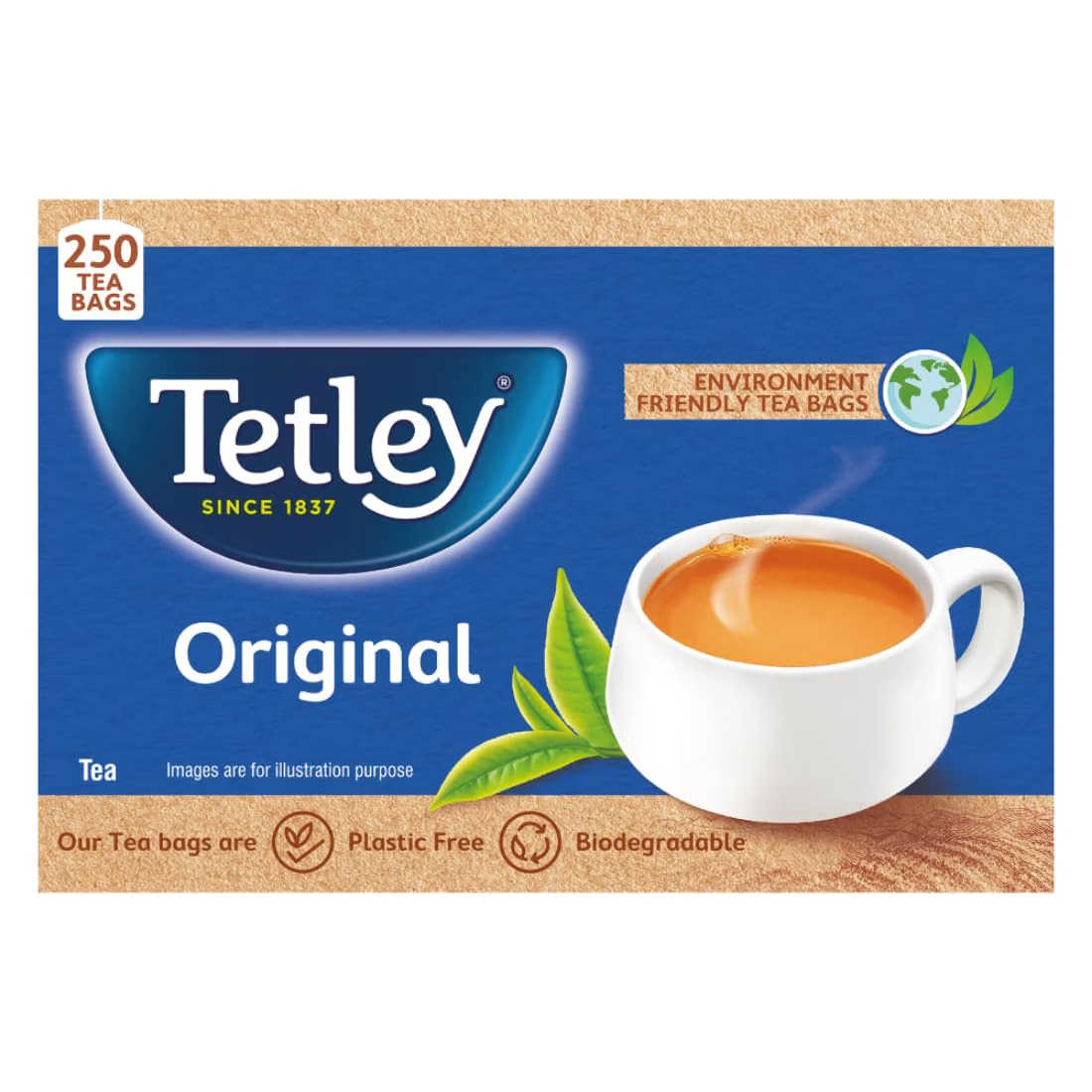
A pack of 25 green tea bags usually retails around ₹160 to ₹180, while larger 100-bag value packs cost roughly ₹450 to ₹500.
7. Organic India
Pioneering the Ayurvedic wellness space, Organic India changed urban tea habits by making Tulsi (Holy Basil) Tea a daily ritual. From Tulsi Green to caffeine-free herbal infusions like Mulethi and Brahmi, this brand is the top choice for health-conscious and acidity-prone tea lovers.

A box of 25 tea bags costs around ₹180 to ₹220, while loose herbal tea tins range from ₹250 to ₹350 for 100g.
8. Girnar
If you are constantly on the move but refuse to compromise on authentic taste, Girnar is the ultimate rescue. Beyond their popular loose-leaf teas, Girnar’s Instant 3-in-1 Masala Chai Premixes have achieved cult status for recreating real, ginger-and-cardamom-spiced street chai anywhere in the world.
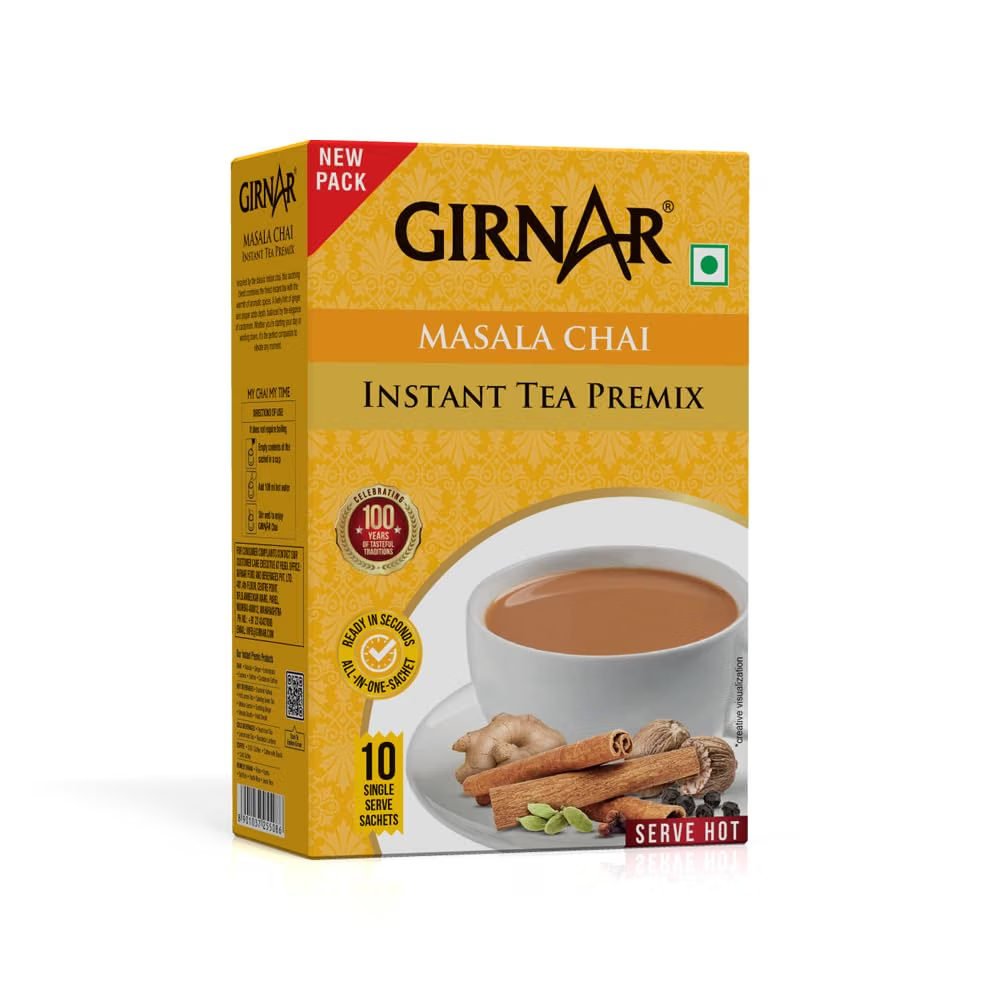
A box of 10 single-serve premix sachets typically retails for ₹140 to ₹160, while their standard loose tea leaf packs cost around ₹280 for 500g.
9. Vahdam Teas
A modern Indian success story, Vahdam takes garden-fresh Indian teas directly to global tea connoisseurs. Specializing in single-origin Darjeeling First Flush, orthodox Assam black teas, and high-mountain Nilgiri brews, Vahdam is designed for whole-leaf purists who prefer steeping their tea without milk.

Sitting firmly in the luxury gourmet tier, prices range from ₹400 to ₹800+ for a 100g tin of loose leaf specialty tea depending on the harvest and flush.
10. Lipton
One of the most globally recognized brands, Lipton remains India's entry point into green tea and light beverages. It offers a clean, reliable, and budget-friendly option for anyone looking to incorporate a refreshing, low-caffeine drink into their daily routine.
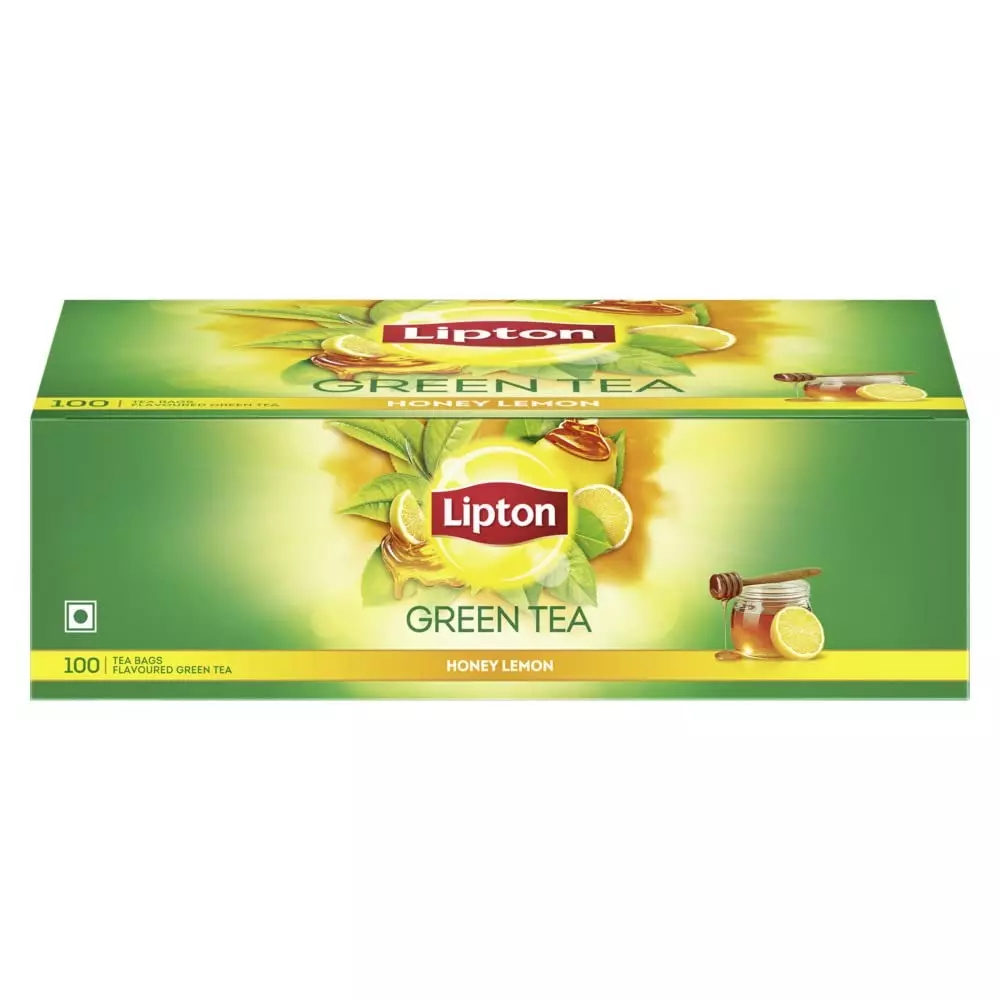
A box of 25 Lipton Green Tea bags is very accessible at around ₹140 to ₹160, with loose black tea options starting under ₹200 for 500g.
How to Choose the Right Tea Brand
- Identify your objective: If you need a robust, daily chai, then choose Tata, Brooke Bond, or Wagh Bakri. For wellness teas, go for either Organic India or Tetley's green range.
- Explore premium: If you are wondering about estate teas, flushes, or single-origin leaves, then try Teabox or Goodricke.
- Experience it all: either go to a Chaayos outlet or use their app to make your own perfect chai, which is especially nice if you love to choose over the elements.
- Be a conscious consumer concerning sustainability: If sourcing materials that are eco-friendly is your top concern, then it is advisable to go for organic certification or those brands that prioritize the farmers' welfare.
Conclusion
From the early morning boil of neighborhood chai tapris to quiet whole-leaf steeping, tea remains India’s favorite daily emotion.
Knowing your leaf types, regional origins, and top brands makes finding your ideal cup simple. Pick your perfect blend, brew it with care, and savor every single sip.
Frequently Asked Questions
Q1. Which tea brand is best for daily use?
A1. According to research, Tata Tea, Brooke Bond, and Wagh Bakri are found to be best for daily preference.
Q2. Which tea is best for beginners?
A2. For regular: Tata Tea and Red Label
For green tea: Tetley and Twinings
For herbal tea: Organic India
Q3. Does tea have caffeine in it?
A3. Yes, most of the tea has caffeine, but herbal tea like tulsi is caffeine-free.
Q4. Which tea is good to reduce stress or for relaxation?
A4. For stress reduction or relaxation, herbal teas like tulsi, peppermint, or chamomile are great for calmness of mind.